Dog SVG Design: A House Is Not a Home
As a designer who’s stitched thousands of custom pieces—from boutique baby onesies to Etsy best-selling tote bags—I opened Dog SVG Design: A House Is Not a Home expecting charm. What I got was something more useful: quiet confidence. This isn’t a flashy, over-rendered graphic. It’s warm, intentional, and built for real embroidery—not just screen display. I tested it on a linen-cotton tea towel, a midweight unisex sweatshirt, and a cotton baby bodysuit—and each time, the design held its personality *after* stitching, not just before.
First Impression: Soft Heart, Strong Silhouette
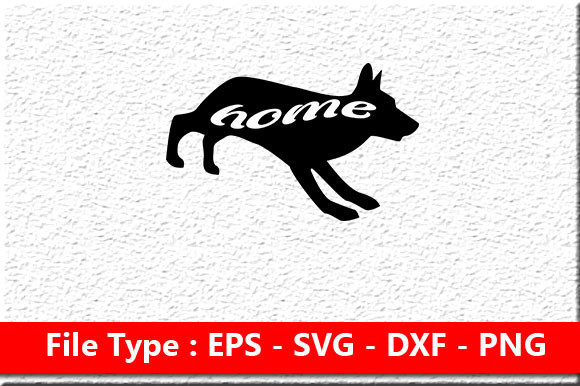
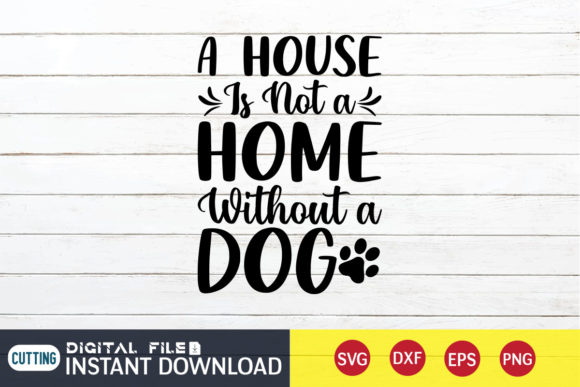
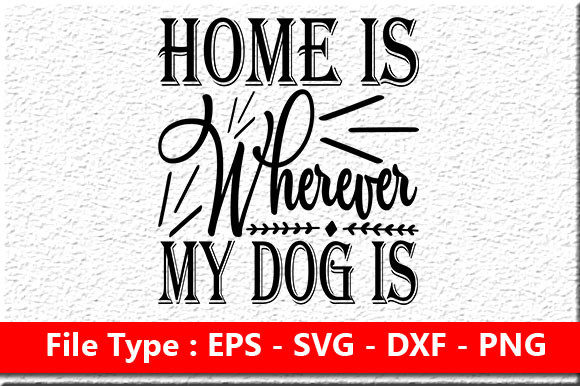
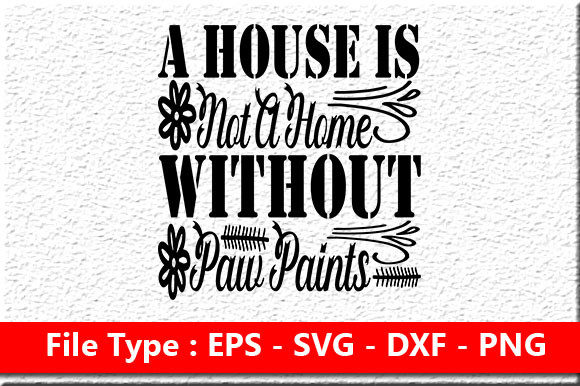
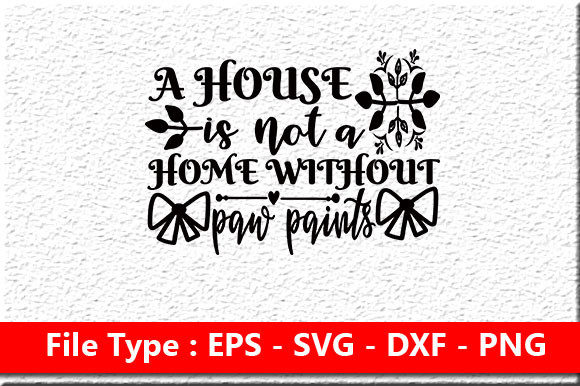
The phrase “A house is not a home without paw paints” lands gently but memorably. The dog silhouette is stylized—not photorealistic—so it reads clearly at 3–4 inches wide, even in satin stitch. No fussy ears, no overworked fur texture. Just clean curves, balanced negative space, and lettering that flows with the dog’s posture. That matters. Too many “cute dog” designs collapse into mush when stitched: tiny noses vanish, legs blur, letters thin out and break. Not here. The layout leans slightly right, giving it motion—like the dog is trotting into the frame, not posing stiffly. It feels handmade, not mass-produced. That subtle tilt? It’s why this works so well on curved surfaces like caps or pillow covers—it follows the grain instead of fighting it.
Where It Shines (and Where It Asks for Care)
I used Dog SVG Design: A House Is Not a Home as the centerpiece for a limited-run embroidered apron series for a local bakery. We stitched it on medium-weight twill with tear-away stabilizer and 40-weight polyester thread. Result? Crisp edges, consistent fill stitch density, zero puckering—even across the curved waistband seam. That tells me the vector paths are well-constructed: no overlapping nodes, no micro-gaps that cause thread skips.
It also translated beautifully to a baby embroidery project: a 3.2-inch version on a 100% cotton receiving blanket. The simplified dog shape scaled down cleanly. No lost detail. The phrase stayed legible, thanks to generous letter spacing and sturdy stroke weight—no fragile serifs or hairline connectors.
But let’s be real: this design asks for thoughtful placement. On stretchy fabric like jersey knits? Use cutaway stabilizer and reduce stitch density slightly—especially in the curved tail and lower “home” curve. On dark fabric, test thread contrast first; light gray or oatmeal thread reads softer than stark white, preserving the cozy mood. And avoid hooping it tightly on textured fabrics like bouclé or heavy terry—the open areas in the dog’s silhouette can snag or distort if tension isn’t dialed in.
What It Does for Your Craft Business
If you’re an Etsy seller or small shop owner, Dog SVG Design: A House Is Not a Home quietly lifts your perceived value. Customers don’t buy “a dog graphic.” They buy *feeling*: nostalgia, tenderness, belonging. That emotional resonance shows up in reviews (“My mom cried opening this,” “Perfect for our rescue nonprofit gift shop”)—which boosts conversion far more than another generic paw print.
It also supports brand consistency. Whether you’re embroidering a holiday kitchen towel set or a personalized sweatshirt for a foster family, the design’s warmth reads cohesively across product types. No jarring style shifts. That reliability saves time on mockups and client revisions—especially when bundling digital embroidery files with physical products.
For commercial embroidery shops, it’s a low-risk, high-return asset. The file package includes SVG, EPS, DXF, and PNG—so whether you’re prepping for Tajima, Brother PE, or Wilcom, you’re covered. But remember: always check stitch count and underlay structure *before* loading into your machine. Vector files don’t auto-optimize for embroidery—you still need to digitize or verify existing digitization for your fabric and thread combo.
Practical Designer Notes You’ll Actually Use
- Test on scrap first—especially if using textured or lightweight fabric. Watch how the dog’s rounded belly and tail curve hold up.
- Check small details in black-and-white mockups. Does the phrase “paw paints” retain rhythm on dark backgrounds? Try charcoal thread on navy twill—it’s warmer and more cohesive than pure black.
- Confirm hoop size compatibility. At full size (approx. 5.5" wide), it fits standard 5x7 hoops—but verify your machine’s max stitch area before finalizing placement on curved items like caps.
- Review stabilizer pairing. Tear-away works for stable wovens; cutaway is safer for knits or layered garments like hoodies.
- Verify licensing. Since this is listed as a Graphics product in Crafts, confirm whether commercial use (e.g., selling finished embroidered patches or digital bundles) is permitted—don’t assume.
- Compare light vs. dark fabric previews. The design’s gentle contrast means it gains depth on cream or oatmeal but may need bolder thread on black.
Final Thought: It’s Not Just a Design—It’s a Story Anchor
I’ve seen too many embroidery files that look perfect on screen but fall flat after stitching—too dense, too fragile, too generic. Dog SVG Design: A House Is Not a Home avoids those traps. It’s designed *for the needle*, not just the pixel. Its strength lies in restraint: enough detail to feel personal, enough simplicity to stitch reliably, and enough heart to make customers pause mid-scroll. Whether you’re building a craft business, launching a holiday collection, or creating a one-of-a-kind personalized gift, this design doesn’t shout. It settles in—like a familiar dog curling up beside you. And in handmade work, that kind of quiet confidence is rare. And valuable.