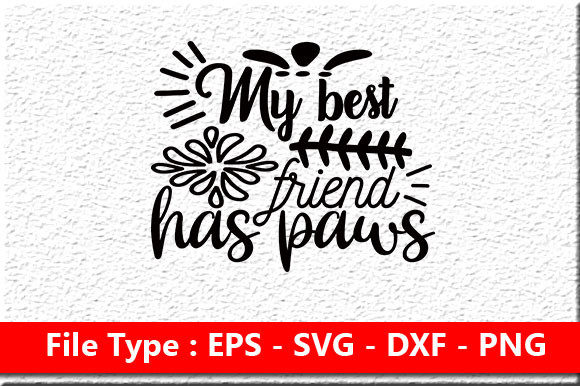
Dog SVG Design: My Best Friend Has
A Designer’s First Glance — Warm, Simple, and Instantly Relatable
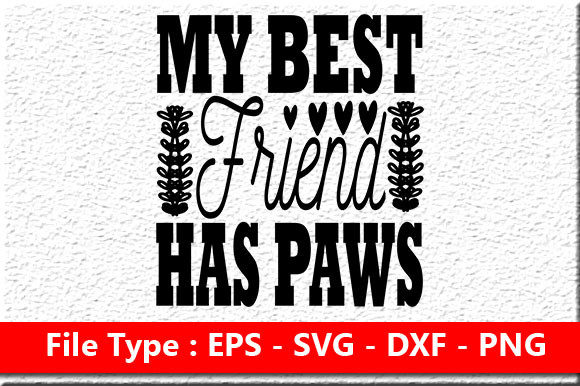
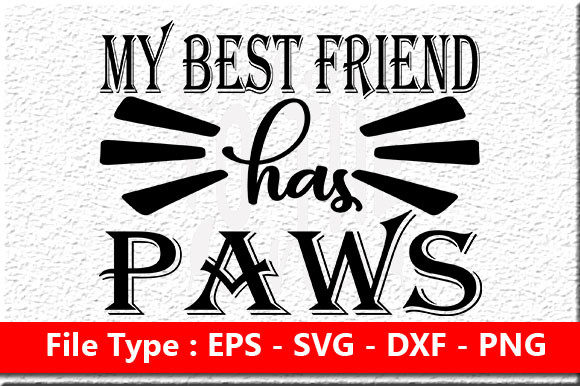
Opening Dog SVG Design: My Best Friend Has feels like flipping through a well-loved sketchbook — soft curves, balanced spacing, and that gentle, heartfelt tone you’d want on a baby onesie or a kitchen towel gifted to a fellow dog lover. It’s not flashy or overly detailed; instead, it leans into sincerity. The phrase “My best friend has paws” wraps around or sits beneath a clean, friendly dog silhouette — likely stylized (not photorealistic), with just enough contour to read clearly at small sizes. As an embroidery designer who tests hundreds of graphics each year, I immediately ask: *Will this hold up in thread? Will it feel handmade, not mass-produced? Will customers pause, smile, and say, “That’s me”?* With Dog SVG Design: My Best Friend Has, the answer is yes — but only if used intentionally.
Where It Shines: Real Projects That Feel Thoughtful
I recently prepped this design for a custom embroidered tote bag series — part of a small shop launch targeting pet-loving moms and teachers. We stitched it on natural canvas, using matte cotton thread and medium-weight tear-away stabilizer. The result? Crisp, warm, and quietly confident. No bleeding, no puckering, and the lettering stayed legible even at 3.5 inches wide. That’s the sweet spot for Dog SVG Design: My Best Friend Has: personalized gifts, boutique apparel, nursery decor, and holiday items like embroidered tea towels or pillow covers for dog-owning grandparents.
It also works beautifully as a machine embroidery design on baby bodysuits — especially when paired with a tiny bone icon or paw print accent. On sweatshirts? Yes — but keep it centered on the chest or upper back, not the sleeve. For caps or curved surfaces, test first: the curve of the phrase may need slight manual adjustment depending on your hoop and fabric tension. As an applique design, it’s adaptable — the outline lends itself to satin-stitched edges or raw-edge fabric layers, adding texture without complexity.
Where to Pause — Not Every Fabric or Format Fits
This isn’t a one-size-fits-all embroidery file. On thin or stretchy fabrics like lightweight knits or jersey tees, the lettering can blur if stitch density is too high or stabilizer is skipped. Likewise, dark fabric demands careful thread color selection — light gray or oatmeal thread reads softer than stark white, and avoids that “printed sticker” look. If you’re stitching on textured fabric (like terry cloth towels or bouclé blankets), simplify expectations: fine details in the dog’s ear or subtle curve of the tail may soften. And avoid cramming it into hoops smaller than 4×4 inches — the phrase needs breathing room to stay legible and balanced.
Also note: while the ZIP includes EPS, SVG, PNG, and DXF files — ideal for designers who switch between cutting machines and embroidery software — none of those formats tell you the actual stitch count or recommended underlay. That means you must check density in your embroidery software before running it on client work. Overly dense fill stitches in the dog’s body could cause stiffness on baby clothes; too-light running stitches in the text might fray after washing.
What It Adds — and What It Asks of You
Dog SVG Design: My Best Friend Has elevates handmade product perception instantly. It reads as intentional, not generic — which builds customer trust, especially for Etsy sellers and craft fair vendors. Buyers notice when typography flows, when spacing feels generous, and when the dog shape echoes real canine warmth (not cartoon cliché). That subtlety translates to higher perceived value: a $28 embroidered apron feels worth it when the design carries quiet personality.
But it asks for care. This isn’t a “drop-in-and-stitch” graphic. It rewards thoughtful execution: choosing thread colors that harmonize (not contrast harshly), testing on scrap fabric that matches your final substrate, reviewing how the design looks in black-and-white mockups (to gauge contrast clarity), and confirming licensing terms before listing finished products or reselling the digital embroidery file. As a Graphics asset, it’s versatile — but versatility requires judgment.
Practical Notes from the Hoop
- Always test first — Especially on layered garments (like hoodies) or textured surfaces.
- Check stitch density — Adjust fill stitch % if embroidering on delicate or baby-soft fabrics.
- Confirm hoop size compatibility — Measure the full design width against your most-used hoops.
- Inspect small details — Zoom in on corners of letters and the dog’s outline — are they clean or jagged at stitch scale?
- Try black-and-white mockups — Helps spot contrast issues before thread hits fabric.
- Compare light vs. dark backgrounds — A design that sings on ivory linen may vanish on charcoal twill.
- Use proper stabilizer — Medium cut-away for knits, tear-away for stable wovens, and fusible for lightweight linens.
- Verify commercial use rights — Since this is sold as a digital embroidery file, confirm whether resale of finished embroidered items is permitted.
Final Thought: A Quiet Standout in a Noisy Market
In a Crafts category flooded with busy patterns and overdesigned slogans, Dog SVG Design: My Best Friend Has stands out by doing less — and meaning more. It doesn’t shout. It connects. When stitched cleanly on a cream-colored tote or a soft cotton bib, it becomes part of a story the buyer already lives. That’s the mark of strong design assets: they don’t distract — they deepen. Use it where warmth matters more than wow, where recognition beats repetition, and where your customer isn’t just buying embroidery — they’re buying belonging. Just remember: great embroidery starts with respect for the thread, the fabric, and the feeling you want to leave behind.