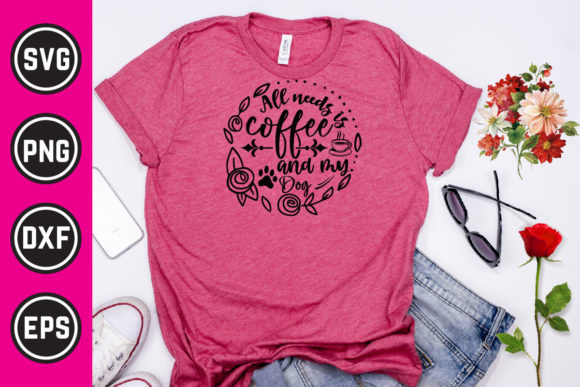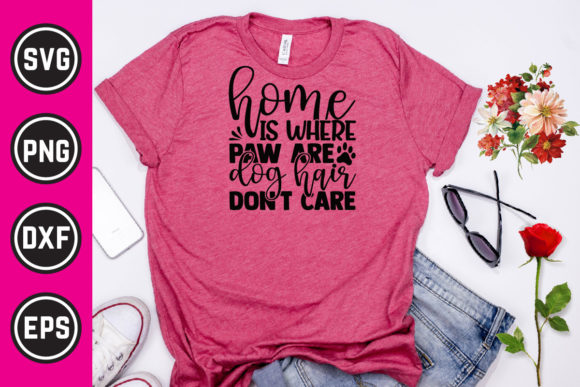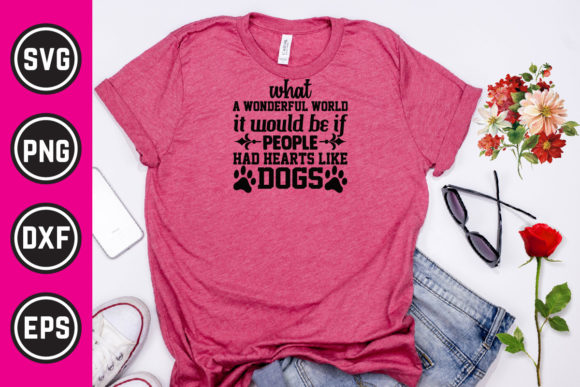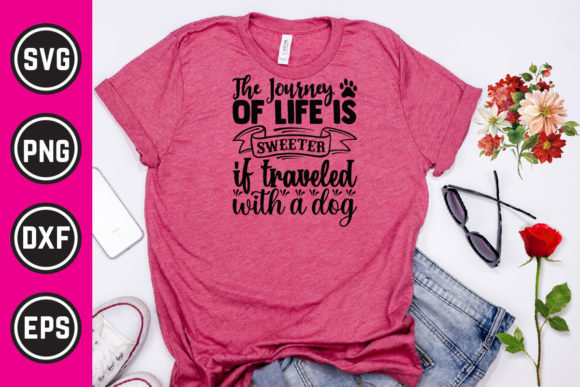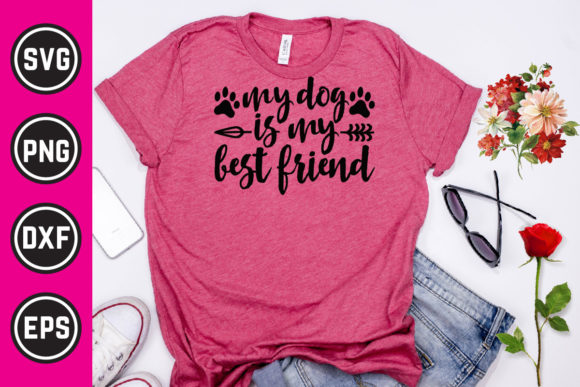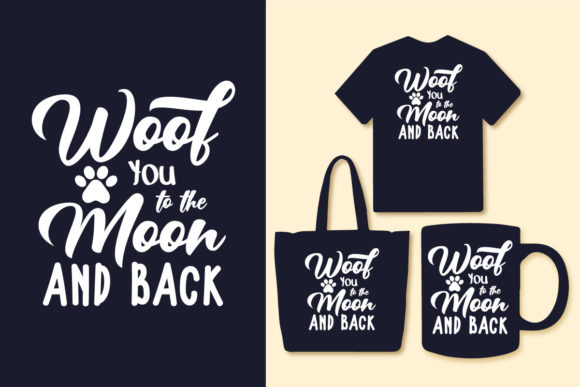
Dog SVG T-Shirt: A Designer’s Real-World Embroidery Review
First Impressions: Simple, Friendly, and Ready for Stitching
When I opened Dog Svg T Shirt, I wasn’t met with cluttered layers or over-engineered flourishes—just clean vector lines, balanced proportions, and a gentle, approachable dog silhouette. It reads as friendly rather than cartoonish, timeless rather than trendy. That matters. As someone who’s stitched dozens of pet-themed designs for boutique baby blankets, Etsy tote bags, and custom aprons, I know how easily “cute” can tip into “busy” or “generic.” This one lands right in the sweet spot: recognizable at small scale, expressive without relying on fine detail, and versatile enough to feel intentional—not placeholder.
A Real Project Test: Embroidering a Linen Kitchen Towel
Last week, I used Dog Svg T Shirt to embroider a set of linen tea towels for a local kitchenware shop. Why linen? Because it’s unforgiving—slubs catch thread, tension shifts easily, and stitch definition makes or breaks the handmade impression. I sized the design to fit comfortably inside a 4×4 hoop, stabilized with medium-weight cutaway, and chose matte cotton thread in warm charcoal. The result? Crisp edges, no puckering, and a subtle tactile presence that elevated the towel from “homemade” to “curated.” Customers noticed—not because it shouted, but because it felt considered. That’s the quiet strength of this design: it supports the product instead of competing with it.
Where It Shines (and Where to Pause)
Dog Svg T Shirt works especially well for:
- Custom apparel — especially crewnecks, relaxed tees, and unisex sweatshirts where simplicity reads as confident, not sparse
- Embroidered patches — its clean outer shape stitches cleanly even at 2.5" tall, and holds up beautifully when heat-applied or sewn onto denim jackets
- Baby embroidery — think onesies, burp cloths, and organic cotton bibs; the rounded contours avoid sharp angles that might irritate sensitive skin
- Holiday and gift embroidery — it pairs effortlessly with minimalist holiday motifs (think tiny holly sprigs or snowflakes) without visual overload
- Tote bag design — centered on natural canvas or heavy cotton, it reads clearly from across a craft fair booth
But here’s where attention pays off:
- Thin or stretchy fabric? — Use tear-away stabilizer *under* and lightweight fusible *on top* to prevent distortion during satin stitch runs.
- Curved surfaces like caps? — Resize conservatively (no smaller than 3") and test stitch density first—tight fill areas may shift on crown curves.
- Dark fabric? — The description says color is easy to change—true—but verify contrast in your embroidery software. A light gray fill stitch on navy can vanish without proper underlay or thread weight adjustment.
- Frequent-wash items (baby clothes, towels, aprons)? — Avoid overly dense fill stitch in the dog’s body unless you’ve tested wash durability. Running stitch outlines + open negative space often hold up longer.
What It Adds to Your Finished Product—Beyond the Stitch
This isn’t just about whether the dog looks like a dog. It’s about what the design communicates before a customer even touches the item. On a handmade pillow cover? It whispers “thoughtful, not mass-produced.” On an Etsy listing for personalized gifts? It gives buyers confidence—they can imagine their own pet in that outline, without needing custom artwork. For a small shop owner adding branded staff aprons? It delivers consistency without rigidity. And for craft fair shoppers flipping through embroidered tea towels? It creates pause—not because it’s flashy, but because it feels *intentionally simple*, like something made by hand, for people who appreciate quiet craft.
Practical Notes Every Embroidery Designer Should Check
Before stitching Dog Svg T Shirt into your next project, take these five minutes:
- Test on scrap fabric — especially if using textured weaves, knits, or blends. Linen, terry cloth, and French terry behave very differently under needle pressure.
- Review stitch density — vector files don’t auto-optimize for embroidery. Open it in your editing software and check for overlapping paths or unintentional double-stitching in curved areas.
- Confirm hoop size compatibility — while it scales well, avoid pushing below 2" without verifying legibility. Tiny ears or paws may collapse into blobs on low-res machines.
- Check thread color contrast — run a black-and-white mockup alongside your intended fabric. What reads as bold on screen may disappear mid-stitch.
- Verify licensing — since this falls under Graphics and Crafts, confirm whether commercial use (e.g., selling finished embroidered totes on Etsy) is permitted. When in doubt, contact the seller—most reputable creators clarify this upfront.
Final Thought: A Reliable Anchor in Your Design Assets
I keep Dog Svg T Shirt in my go-to folder—not as a “wow” piece, but as a dependable, human-scale motif. It doesn’t demand attention, but it earns trust. Whether you’re building a cohesive line of nursery decor, launching a pet-themed craft business, or stitching last-minute personalized gifts for a holiday market, this design quietly does its job: it looks like it belongs, it stitches cleanly, and it leaves room for your craftsmanship—not the file—to be the star. In a world full of overdesigned digital embroidery files, that kind of restraint is rare. And useful.