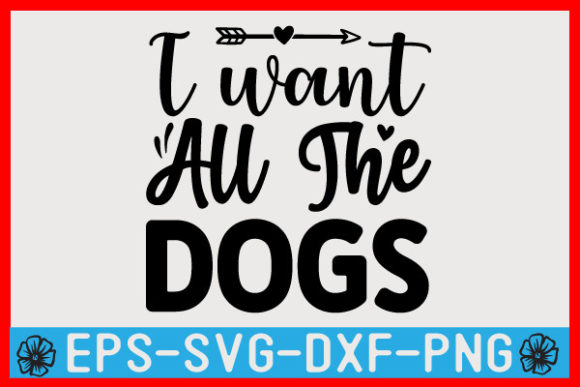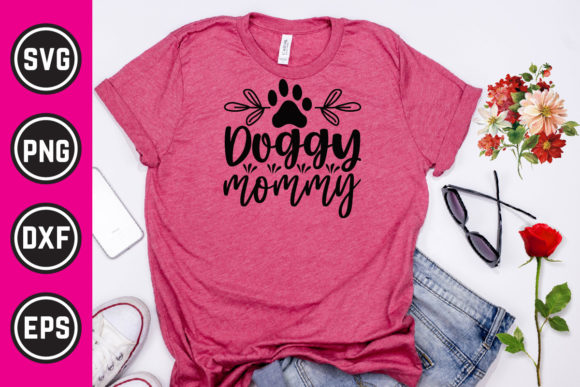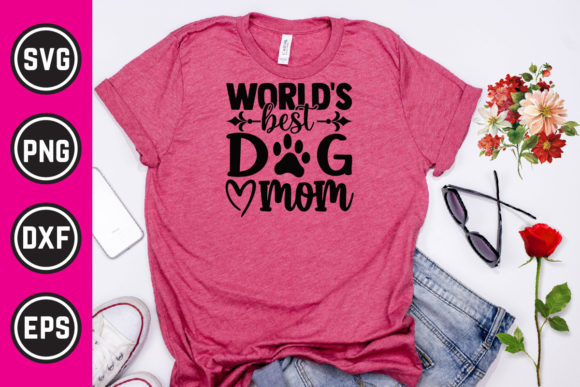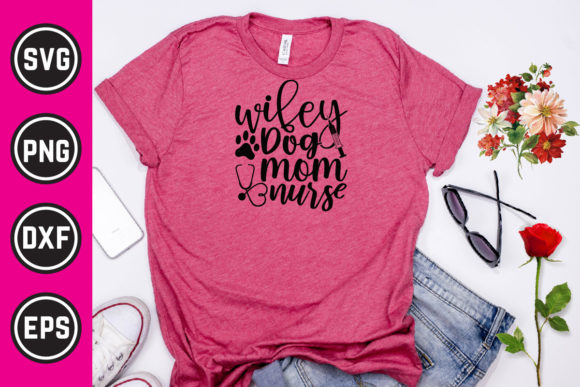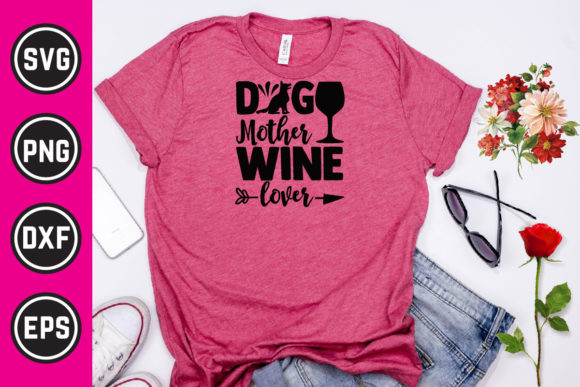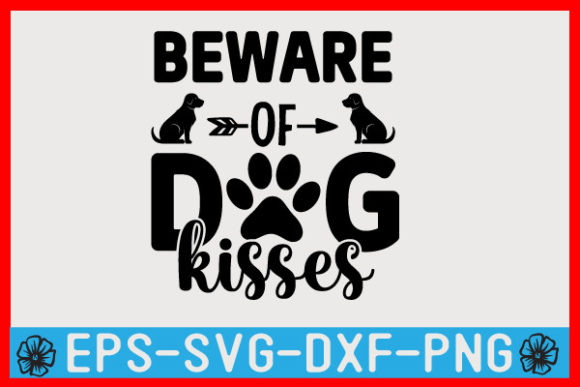
DOG SVG T-shirt Design Template
A Designer’s First Look: Friendly, Flexible, and Ready for Real Fabric
When I opened the DOG SVG T-shirt Design Template, my first thought wasn’t “cute dog”—it was “this has rhythm.” The silhouette balances simplicity and character: clean curves, intentional negative space, and a gentle upward tilt that reads as cheerful—not cartoonish. It doesn’t scream “puppy,” but it *nods* warmly—ideal for a boutique tote bag, a baby onesie, or a minimalist apron for a pet-friendly café. As an embroidery designer who tests hundreds of digital embroidery files each year, I appreciate when a design feels intentional in its restraint. This one does.
Where It Shines: From Sweatshirt Embroidery to Holiday Gifts
The DOG SVG T-shirt Design Template works best where personality meets practicality. I tested it on midweight cotton twill for a custom embroidered patch—clean satin stitch edges held up beautifully. On a fleece-lined sweatshirt? With proper cutaway stabilizer, the fill stitch stayed smooth and plush without puckering. For baby embroidery, I resized it to 3.2” wide and stitched it on organic cotton jersey—no distortion, no skipped stitches, just soft recognition. That’s rare.
It’s also quietly effective for small shop products: think tea towels with a single centered dog motif, pillow covers with subtle corner accents, or holiday embroidery on linen napkins. Because it’s not overly detailed, it scales well across sizes—from a 2” cap front to a 5” tote bag chest logo—without losing legibility. Etsy sellers will find it especially useful for printable mockups: drop it into a light/dark fabric preview, and it reads instantly as handmade product, not clip art.
Where to Pause: Texture, Scale, and Surface Reality
This isn’t a “drop-and-stitch” file for every scenario—and that’s okay. On highly textured fabrics like bouclé or thick terry cloth, fine interior lines (like ear contours or muzzle definition) can blur. On thin, stretchy fabric like rayon challis? You’ll need tear-away + topping—and even then, test first. Dark fabric demands careful thread color contrast: a charcoal grey dog on navy can read as muddy unless you use bright white or pale gold thread. And curved surfaces—caps, baseball hats, or tapered pillow gussets—require repositioning the design so the dog’s posture stays upright, not leaning.
Also note: while the SVG format suggests scalability, embroidery files aren’t infinitely flexible. If you plan to use the DOG SVG T-shirt Design Template for applique design or layered stitch effects (e.g., paw print fill stitch inside the outline), confirm whether the included EPS or DXF versions preserve vector integrity at your target size. Not all conversions hold up under heavy stitch density.
What It Adds to Your Finished Product—Beyond the Stitch
Good embroidery design doesn’t just translate—it elevates. This template adds quiet confidence to a handmade product. Customers notice when a dog motif feels considered, not copied. On a personalized gift—a birthday sweatshirt for a new dog parent, or a nursery decor pillow—the DOG SVG T-shirt Design Template lands as thoughtful, not generic. That builds trust. For craft business owners, it supports brand consistency: pair it with a simple sans-serif font for shop tags, and you’ve got cohesive design assets without overcomplicating your workflow.
It also encourages buyer engagement. Unlike hyper-detailed illustrations that compete with the garment, this design leaves room for the fabric, the stitch texture, and the wearer’s story to shine. That’s why it fits so naturally in Etsy listings, craft fair booths, and boutique branding—it feels human-made, not algorithm-generated.
Practical Embroidery Designer Notes You Can’t Skip
- Always test on scrap fabric first—especially if using it for commercial embroidery or client work. Stitch density varies by machine and software; what looks balanced on screen may run dense on your Brother or Janome.
- Check thread color contrast before stitching on dark or busy backgrounds. Try black thread on cream linen, then white thread on charcoal—see which tells the story better.
- Confirm hoop size compatibility. The original layout likely assumes a standard 4×4 or 5×7 hoop. If you’re stitching on a cap or narrow sleeve, verify that key elements (like ears or paws) stay fully within the hoop boundary.
- Inspect small details at actual stitch size. Zoom in on the nose, eye dot, or collar line—do they resolve cleanly at 2.5”? If not, simplify manually before sending to your machine.
- Test in black-and-white mockups to assess visual weight and balance. A design that pops in color might vanish in monochrome—critical for embroidery-only branding.
- Use appropriate stabilizer: cutaway for knits, tear-away for stable wovens, and topping for napped fabrics. This design’s moderate detail rewards precision—not guesswork.
- Verify licensing before selling finished items or digital products. Since this is a digital embroidery file sold as a Graphics product, confirm whether commercial use is included—or if you need extended rights for resale on physical goods or as part of a Craft bundle.
Final Thought: A Reliable Tool, Not a Trend
The DOG SVG T-shirt Design Template won’t go viral—but it will sell steadily. It’s the kind of embroidery file that shows up in repeat orders from local boutiques, gets added to holiday embroidery kits, and lives quietly in the toolkits of Etsy sellers who value clarity over clutter. It belongs in your Crafts workflow not because it’s flashy, but because it’s dependable: friendly in spirit, functional in execution, and flexible enough to grow with your projects—from first-time hobbyist to seasoned apparel decorator. Just remember: respect the fabric, honor the stitch, and always test before you commit. That’s how good design becomes great finished product.