Happiness is Having a Dog SVG Design
As someone who’s stitched hundreds of designs onto everything from newborn onesies to boutique aprons, I opened Happiness is Having a Dog Svg Design expecting warmth—and got it instantly. But warmth alone doesn’t stitch well. So I put it through the real test: imagining it on a custom embroidered canvas tote for a local dog rescue’s fundraiser. Soft cotton canvas, medium-weight tear-away stabilizer, 40-weight poly thread, and a 5×7 hoop. That’s where this design either shines or stumbles—and it mostly shines.
A First Impression That Feels Like Home
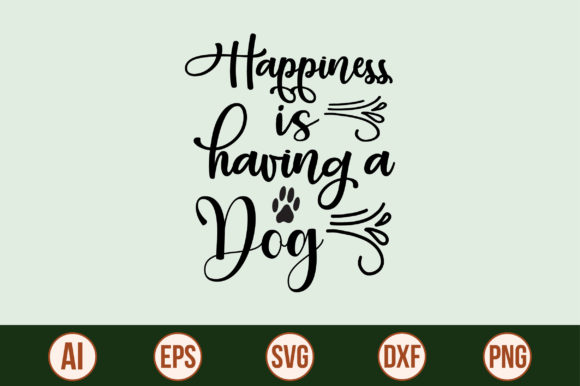
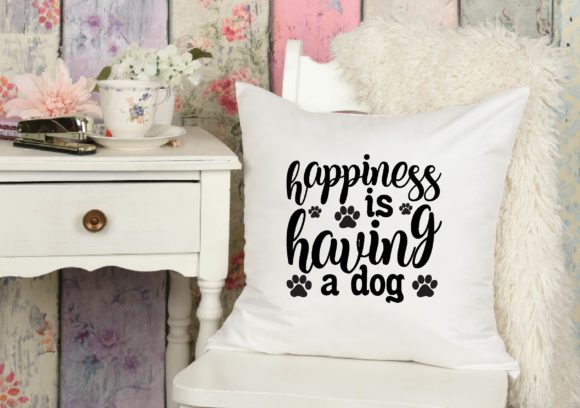
The layout is clean and centered—a friendly, slightly rounded script reading “Happiness is Having a Dog” with a simple, expressive dog silhouette (likely a golden retriever or mixed-breed profile) nestled just below the text. It’s not overly detailed, but it’s not generic either. There’s gentle curvature in the dog’s ear, a soft curve to the tail, and intentional spacing between letters that avoids crowding. This isn’t a clipart throwaway—it reads like a hand-drawn sentiment made digital. For embroidery, that translates to fewer tiny vector nodes to fight during digitizing, and smoother satin-stitch curves when stitched out.
Where It Stitches Best—And Why
Happiness is Having a Dog Svg Design thrives on stable, medium-to-heavy fabrics where clarity matters more than micro-detail. Think sweatshirt embroidery on unisex crewnecks, baby embroidery on organic cotton burp cloths, or holiday embroidery on linen tea towels for pet-loving grandparents. On a tote bag? Perfect—its balanced width fits neatly in a standard hoop without scaling down so much that letterforms lose legibility.
It also works beautifully as an embroidered patch. The dog outline is bold enough to read at 2.5 inches tall, and the phrase stays crisp even with moderate fill-stitch density. As a machine embroidery design, it avoids thin serifs or overlapping strokes—two common pitfalls that cause thread breaks or skipped stitches on home machines.
For Etsy sellers and small shop owners, this is low-risk, high-appeal design assets. Customers recognize the sentiment immediately. No translation needed. No explanation required. Just warmth, clarity, and quiet confidence—exactly what handmade product buyers respond to when scrolling past dozens of listings.
Where to Pause—and Test First
Don’t assume it’s foolproof on every surface. On stretchy fabric like ribbed knit onesies or curved caps, the script can distort if hooping isn’t precise. And while the dog silhouette is friendly, its ear and tail taper into fine points—details that may blur or fray on thin fabrics like lightweight cotton poplin or delicate baby swaddle blankets unless you use cut-away stabilizer underneath.
Dark fabric? Yes—but check contrast. The design relies on shape and proportion, not heavy outlines. If you’re stitching it in light gray thread on navy fleece, make sure your mockup shows enough definition. A quick black-and-white printable mockup helps spot contrast issues before you load the hoop.
Also: avoid cramming it into sub-3-inch hoops without verifying how the smallest letterforms hold up. The lowercase “g” and “y” have subtle descenders—if scaled too small, they risk becoming indistinct running stitches instead of intentional shapes.
Real Embroidery Designer Notes You’ll Actually Use
- Always test on scrap fabric first—especially if using textured fabrics like terry cloth or looped toweling. The dog’s silhouette should remain recognizable, not dissolve into fuzz.
- Review stitch density before stitching on delicate items. If the fill areas feel heavy for baby embroidery, consider reducing density by 10–15% in your embroidery software.
- Confirm hoop size compatibility. This design was clearly built for standard hoops—not mini or jumbo—so double-check your intended project’s physical constraints.
- Inspect small details at actual stitch-out size. Zoom in on the dog’s eye area and the space between “is” and “Having.” Those gaps need to stay open, not close up with dense satin stitch.
- Use proper stabilizer. Medium-weight tear-away works for most apparel, but switch to cut-away for knits, terrycloth, or anything that will be washed frequently—like kitchen towels or nursery decor.
- Check licensing before selling finished items. Since this is listed as a Graphics product for Crafts, confirm whether commercial use is included. Many SVG files allow personal and small-batch handmade use, but not wholesale or digital resale.
How It Shapes Perception—Beyond the Stitch
Customers don’t just buy a dog-themed phrase. They buy reassurance. A sense of shared joy. That emotional resonance lifts perceived value—especially on personalized gifts and boutique merchandise. When stitched cleanly on a cream-colored pillow cover or a charcoal sweatshirt, Happiness is Having a Dog Svg Design feels intentional, not templated. It supports brand consistency for pet-friendly shops, adds giftability to holiday embroidery collections, and quietly reinforces professionalism—even when stitched on a home machine.
For craft business owners, it’s a reliable anchor design: versatile enough for multiple product lines (apparel, home goods, accessories), emotionally resonant enough to drive repeat engagement, and technically sound enough to minimize rework. It won’t win awards for innovation—but it will earn smiles, tags on Instagram, and repeat orders from customers who trust that your handmade product feels both heartfelt and well-made.
Final Thought: A Design That Serves Its Purpose
This isn’t a flashy, trend-chasing graphic. It’s a grounded, thoughtful piece of design assets—one that understands its role in the embroidery workflow and respects the time, tools, and intention behind every finished product. Whether you’re prepping for a craft fair, building an Etsy collection, or fulfilling a custom apparel order, Happiness is Having a Dog Svg Design delivers what matters most: clarity in execution, warmth in message, and reliability in real-world use.