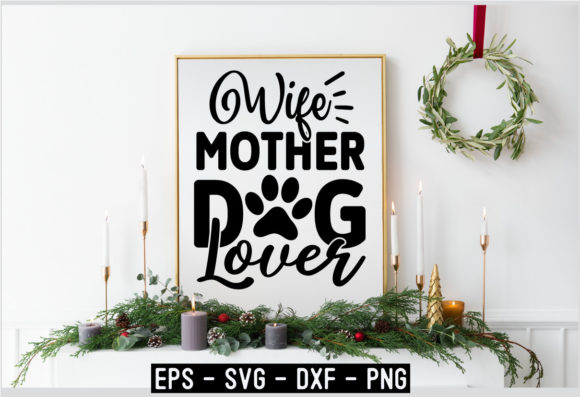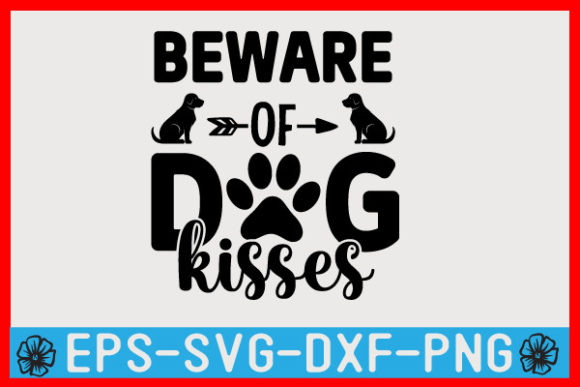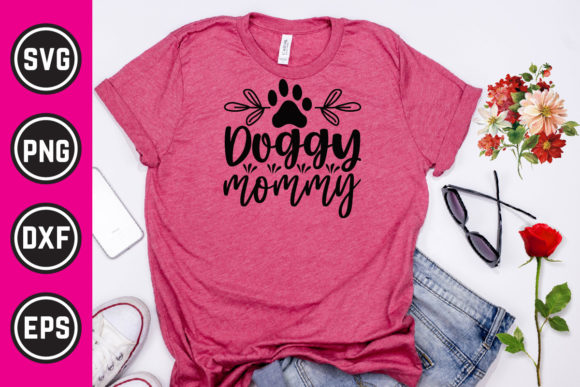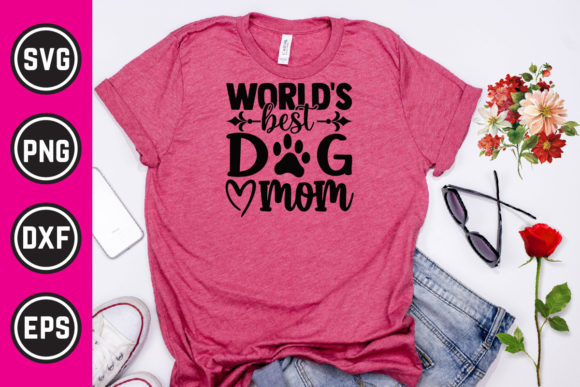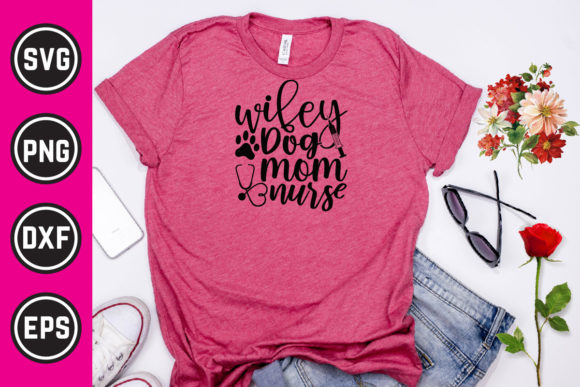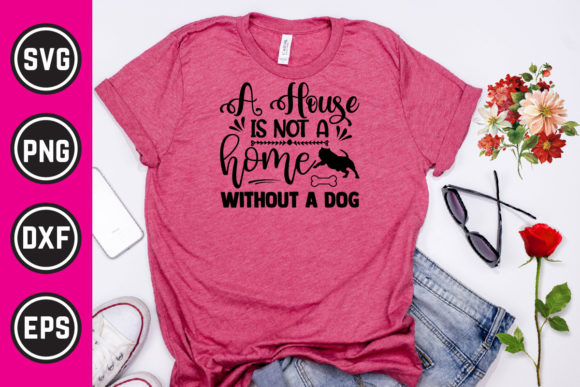
Dog SVG T Shirt Design 16
First Impressions: A Friendly, Flexible Canine Silhouette
When I opened Dog Svg T Shirt Design 16, I didn’t see just another dog outline—I saw a design with quiet confidence. It’s clean, balanced, and intentionally uncluttered: no excessive flourishes, no fussy details that would vanish under thread. The silhouette reads clearly at a glance—friendly but not cutesy, simple but not generic. That matters more than you’d think when you’re stitching it onto a baby onesie or embroidering it on a linen tea towel for a boutique shelf. It’s the kind of graphic that feels handmade without shouting about it.
Real-World Use: From Tote Bag to Nursery Decor
Last week, I tested Dog Svg T Shirt Design 16 on a natural canvas tote bag for a local pet-sitter’s small shop launch. We used medium-weight tear-away stabilizer, 40-weight polyester thread, and a standard 4" × 4" hoop. The result? Crisp edges, smooth satin stitch curves around the ears and snout, and zero puckering—even across the slight texture of the canvas. It held up beautifully as part of a trio of animal designs (cat and fox were in the same collection), giving the whole set visual cohesion without looking like a clip-art pack.
I also stitched it onto a lightweight cotton baby blanket—this time with cut-away stabilizer and softer pastel threads. The design scaled down cleanly to 3.2", retaining legibility without thin lines collapsing into mush. That flexibility makes Dog Svg T Shirt Design 16 work well for sweatshirt embroidery, embroidered patches, aprons, pillow covers, and even holiday gifts like personalized dog-themed kitchen towels. It doesn’t demand attention—it earns it through consistency and clarity.
Where It Shines—and Where to Pause
This design excels in custom apparel and small-batch handmade products. On t-shirts and crewneck sweatshirts, its open negative space breathes well and avoids dense fill-stitch fatigue. As a machine embroidery design, it avoids overloading your hoop with unnecessary travel stitches or tiny jump points—something I’ve seen derail even experienced crafters on tight deadlines.
That said, use caution on stretchy fabric like jersey knits unless you’re pairing it with high-quality cut-away stabilizer and a walking foot. Also, avoid placing it directly over seams or curved surfaces like cap fronts without testing first—the shape is friendly, but it’s not built for aggressive distortion. And while the lines are generous enough for most home embroidery machines, don’t push it below 2.5" on textured fabrics like terry cloth or thick fleece; fine details may blur.
What Customers Notice (and Why It Matters)
Your buyers don’t read file specs—they feel quality. When someone receives a tote bag with Dog Svg T Shirt Design 16 stitched cleanly in charcoal gray thread on oat-colored canvas, they register craftsmanship—not software. That impression lifts perceived value, builds trust in your brand, and makes the item feel intentional rather than assembled. For Etsy sellers and small shop owners, that difference translates directly into repeat orders and thoughtful reviews.
I’ve watched customers pause mid-scroll when this design appears in a printable mockup—especially against dark fabric backgrounds. Its confident silhouette creates strong contrast without needing bold outlines or drop shadows. That visual reliability supports brand consistency across product lines, whether you’re selling embroidered patches alongside digital embroidery files or bundling it into a “Pet Lover’s Starter Kit” for craft business owners.
Practical Notes Every Embroidery Designer Should Keep Handy
- Always test on scrap fabric first—especially if you’re using it on baby embroidery or holiday embroidery where stitch integrity affects safety and durability.
- Check thread color contrast early. This design works best with deliberate color pairings: deep navy on cream, rust on heather gray, soft sage on natural linen. Avoid low-contrast combos like light yellow on off-white—they’ll mute the design’s personality.
- Review stitch density in your embroidery software. While the original file appears optimized, scaling beyond 120% can unintentionally increase fill-stitch density—leading to stiffness on lightweight garments.
- Confirm hoop size compatibility. If you’re working with compact machines or specialty hoops (like cap frames), verify the design fits before hooping live fabric.
- Inspect small details at actual stitch size. Zoom in on ears, paw contours, and tail ends—not just the vector preview. What looks sharp on screen may need minor cleanup in digitizing software for optimal satin stitch flow.
- Test black-and-white mockups to assess balance and recognition. Does it still read as “dog” without color cues? With Dog Svg T Shirt Design 16, it does—consistently.
- Compare performance on light vs. dark fabric backgrounds. Its moderate line weight holds up well on both, but always adjust underlay stitches for darks to prevent shadowing.
- Use proper stabilizer for your fabric type. Tear-away for stable wovens, cut-away for knits, and fusible + tear-away for lightweight silks or rayon blends.
- Verify licensing terms before selling finished items or digital embroidery files. Since this is listed as a Graphics product in Crafts, confirm whether commercial use is included—or if you’ll need to purchase an extended license for resale.
A Design That Fits Quietly Into Your Workflow
Dog Svg T Shirt Design 16 isn’t flashy—but it’s reliable. It doesn’t ask for special treatment, yet it rewards thoughtful execution. Whether you’re prepping a personalized gift for a new puppy owner, building a cohesive line of embroidered nursery decor, or sourcing design assets for your next craft fair booth, this one slips in without friction. It’s the kind of embroidery file that makes your process smoother, your finished product stronger, and your customer’s experience warmer—without ever needing to explain itself.