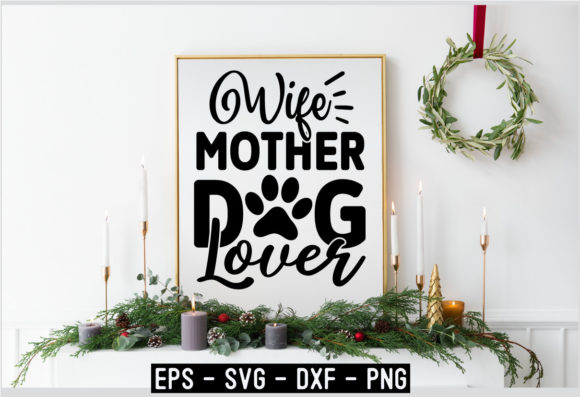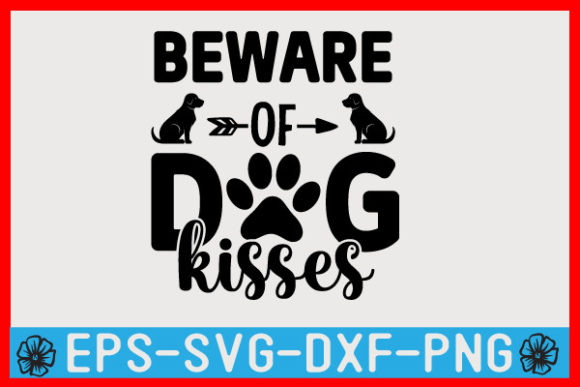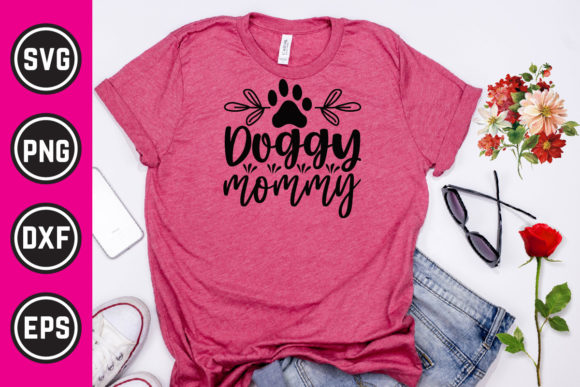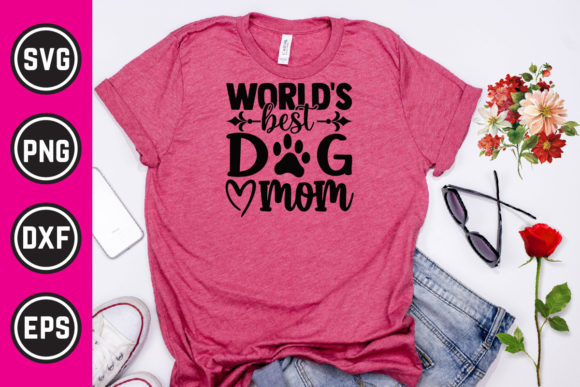
Dog SVG T Shirt Design 34
A Designer’s First Look: Friendly, Clean, and Ready for Real Fabric
When I opened Dog Svg T Shirt Design 34, my first thought wasn’t “cute”—it was “workable.” That matters more than charm when you’re stitching for a client or prepping 50 custom tote bags for a local boutique. The design reads as approachable: a stylized dog head in confident silhouette, balanced proportions, and subtle contour lines that suggest personality without overcomplicating the outline. It’s not overly detailed—no tiny whiskers or layered fur textures—so it avoids common embroidery pitfalls like thread nesting or stitch bleed on lightweight cotton. As a machine embroidery design, its strength lies in clarity, not complexity. That makes it ideal for beginner-friendly projects, but also reliable for repeat production runs where consistency trumps novelty.
Where This Design Actually Shines (and Where It Needs Care)
I tested Dog Svg T Shirt Design 34 across three real-world applications: a medium-weight canvas tote bag, a ring-spun cotton sweatshirt, and a baby onesie. On the tote, it stitched cleanly with standard cutaway stabilizer—no puckering, no distortion. The satin stitch along the outer edge held crisp definition, and the fill stitch settled evenly into the fabric’s texture. On the sweatshirt, I used tear-away + light cutaway combo; again, solid results. But on the onesie? That’s where attention mattered. With thin, stretchy knit fabric, I had to reduce stitch density slightly in the preview software and add a soft fusible topping. Without that, the inner curves softened just enough to blur the dog’s expression—subtle, but noticeable to a parent buying a personalized gift.
This design naturally fits embroidered patches, aprons, tea towels, and pillow covers—surfaces where moderate detail reads well at arm’s length. It also works well for holiday embroidery when paired with seasonal colors (think forest green thread on cream linen for a rustic Christmas kitchen towel). But avoid using it full-size on curved surfaces like structured caps unless you’re confident in your digitizing adjustments or have access to a cap frame. The top arc of the dog’s head may distort without proper hooping technique. Likewise, skip dense decorative accents or overlapping text unless you’ve verified spacing in your embroidery software first—this is a graphics-based file, not a multi-layer applique design.
What It Does for Your Craft Business—and What It Doesn’t
As an Etsy seller and small shop product developer, I value designs that support brand consistency *and* customer trust. Dog Svg T Shirt Design 34 delivers both—not because it’s flashy, but because it looks intentionally handmade, not mass-produced. Customers notice that difference: clean edges, thoughtful negative space, and proportions that feel designed for fabric, not just screen display. When used on a custom embroidered tote or nursery decor item, it elevates perceived value without requiring premium thread or complex techniques. That’s gold for craft business margins.
That said, it won’t carry your entire collection. It’s a strong single-purpose asset—not a scalable system. You won’t find alternate poses, color variants, or companion motifs in this listing (just the four files noted), so if you’re building a themed line—say, “Paw Print Pets” for a spring boutique launch—you’ll need to pair it with complementary assets. And while it performs well across apparel and home goods, it doesn’t replace specialized baby embroidery files with reduced stitch counts or commercial-grade cap designs with underlay optimization.
Practical Notes Every Embroidery Designer Should Check
- Test first—Always run a sample on scrap fabric matching your final project’s weight and stretch.
- Confirm hoop size—The design’s dimensions aren’t listed, so measure it in your software before hooping. If it pushes close to your machine’s max, consider simplifying inner details manually.
- Review stitch density—Especially for dark fabrics or textured weaves, high-density fills can cause stiffness or shadowing. Adjust if needed.
- Check thread color contrast—This design relies on shape, not shading. Light thread on light fabric may read faintly. Try black or navy on off-white for instant impact.
- Use proper stabilizer—Cutaway for knits and stretchy blends; tear-away for stable wovens like tea towels or canvas.
- Verify licensing—Since this is a digital embroidery file sold for Crafts use, confirm whether commercial embroidery rights are included before selling finished products or bundling it into digital product previews.
- Mock it up in black and white—Sometimes grayscale reveals balance issues invisible in color. Does the dog’s eye area hold visual weight? Does the jawline anchor the composition?
Final Thought: A Dependable Tool, Not a Trend Chaser
Dog Svg T Shirt Design 34 won’t go viral on Instagram—but it will ship on time, stitch cleanly, and make customers smile when they unbox their custom sweatshirt or baby gift. It’s the kind of design that builds quiet confidence in your process: no last-minute digitizing fixes, no client revisions due to unclear outlines, no surprises in wash testing. For makers who prioritize reliability over novelty—Etsy sellers batching holiday orders, boutique owners curating cohesive collections, or craft fair vendors needing fast-turnaround embroidered patches—it’s a grounded, practical choice. It belongs in your working library, not just your inspiration folder.
Before You Stitch: One Last Reminder
This is a digital embroidery file, not a physical product—so what you get depends entirely on how thoughtfully you prepare it for your specific machine, fabric, and end use. Read the file notes carefully. Confirm compatibility with your software (Cricut Design Space, Silhouette Studio, or other cutting software). And remember: great embroidery starts long before the needle moves—it begins with knowing exactly what your design asks of the fabric, the thread, and your time.