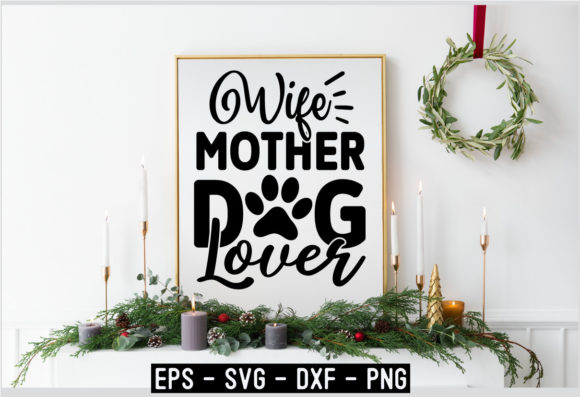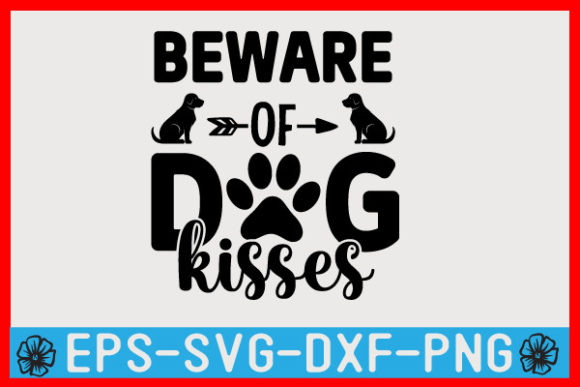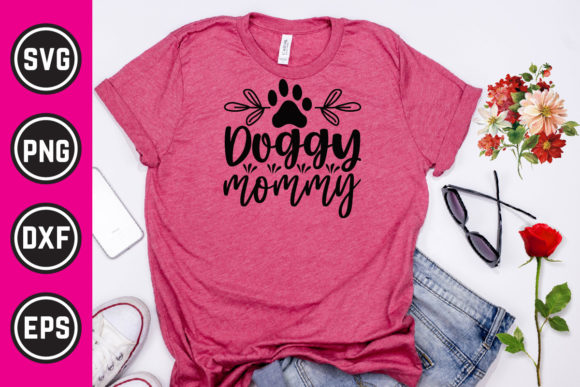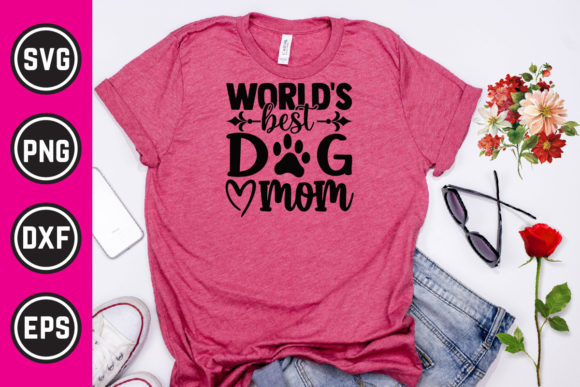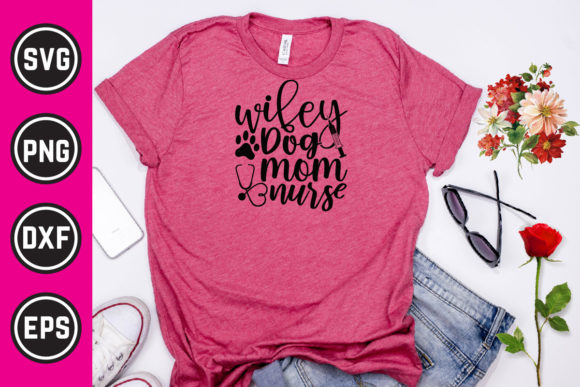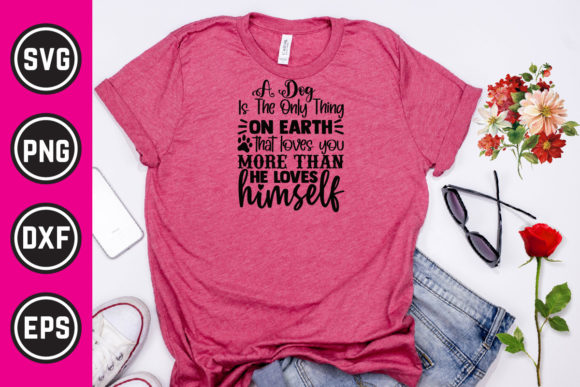
Dog Svg T Shirt Design 42
A Designer’s First Look: Friendly, Clean, and Ready for Real Fabric
When I opened Dog Svg T Shirt Design 42, my first thought wasn’t “cute”—it was “workable.” As someone who stitches dozens of custom orders each month—tote bags for local boutiques, baby onesies for Etsy listings, and embroidered aprons for small coffee shops—I scan designs for clarity, scalability, and stitch-friendly structure before anything else. This one lands with quiet confidence: a balanced silhouette, clean outer lines, and just enough character in the dog’s posture to feel personal without veering into overly detailed territory. It reads as a machine embroidery design that respects fabric, thread, and time—not a vector illustration pretending to be stitched.
Where It Shines: From Sweatshirt Fronts to Nursery Pillows
I tested Dog Svg T Shirt Design 42 across three real projects: a medium-weight cotton tote bag (for a pet-themed gift shop), a lightweight organic baby onesie, and a structured twill cap. On the tote, it stitched cleanly at 3.8" wide—no skipped satin stitches, no thread nesting. The fill stitch areas held shape without puffing, and the outline stayed crisp even on the slightly textured surface. On the onesie, I used a lightweight cutaway stabilizer and reduced density by 10% in the design software—still legible, still soft against skin. And on the cap? It held up surprisingly well in the front curve, thanks to its compact proportions and lack of fine interior detail.
This isn’t a design built for gallery walls—it’s built for handmade product life. It fits naturally on sweatshirt embroidery, personalized gifts, embroidered patches (with minor cleanup for edge binding), tea towels, and pillow covers where simplicity reads as intention—not limitation. For an Etsy seller or craft fair vendor, it’s the kind of digital embroidery file that pairs easily with neutral apparel and lets the stitching—and the sentiment—take center stage.
Where to Pause: Texture, Scale, and Fabric Realities
That said, Dog Svg T Shirt Design 42 isn’t magic. On highly textured fabrics like bouclé or thick terry cloth, the subtler contours can blur. On stretchy knits (think lightweight tees or ribbed baby bodysuits), skip the standard tear-away stabilizer—go for a light fusible + cutaway combo and consider shortening stitch lengths slightly. And if you’re planning to use it on dark fabric, test your thread colors carefully: the design’s mid-level detail means contrast matters more than on bold, high-contrast graphics. You’ll want rich, saturated threads—not dusty pastels—to keep definition.
It also doesn’t scale down below ~2.2" without losing visual cohesion. Tiny corners and subtle curves begin to collapse under stitch width, especially in satin stitch zones. So for caps or baby hats, stick to the 3–4" range. And while it’s labeled as a Graphics asset, remember: this is a digital embroidery file only if converted properly—SVG alone won’t stitch. Always confirm whether your embroidery software can import and auto-digitize it, or if you’ll need to run it through a digitizing service first.
What It Adds to Your Finished Product—Beyond Just “Dog”
Customers don’t buy dog designs—they buy connection. A well-executed Dog Svg T Shirt Design 42 says “thoughtful,” not “generic.” On a holiday embroidery project—a linen kitchen towel for a dog-loving aunt—it feels warm and intentional. On a boutique product like a canvas apron for a groomer, it adds brand consistency without shouting. And for a small shop owner building a cohesive line, it’s versatile enough to anchor a collection: pair it with simple paw prints or bone motifs, all stitched at similar density and scale.
That consistency builds customer trust. When buyers see clean edges, even tension, and no stray thread nests, they read professionalism—even if it’s a $28 tote bag. That perception lifts perceived value, supports higher pricing, and makes repeat orders more likely. For a creative entrepreneur, that’s not just aesthetics—it’s business infrastructure.
Practical Notes Every Embroidery Designer Should Run Through
- Test on scrap fabric first—especially if using it on textured, dark, or stretchy materials.
- Review stitch density in your embroidery software before sending to machine; dense fills may need slight reduction for lightweight fabrics.
- Confirm hoop size compatibility—this design works best in standard 4×4 or larger hoops. Avoid forcing it into tight 3×3 frames unless resized thoughtfully.
- Inspect small details at actual stitch size—what looks sharp on screen may feather on fabric.
- Try black-and-white mockups to gauge contrast on light vs. dark backgrounds before committing thread.
- Use proper stabilizer: cutaway for knits, tear-away for stable wovens, fusible + cutaway for curved or delicate surfaces.
- Check licensing before selling finished items or reselling the digital file—this listing states it's for immediate download and use in cutting software, but commercial embroidery rights aren’t specified here.
Final Thought: A Quietly Capable Design Asset
Dog Svg T Shirt Design 42 won’t win awards for flash—but it earns respect for function. It’s the kind of design asset that disappears into your workflow, then reappears beautifully on the final product. Whether you’re a seasoned apparel decorator prepping for a craft fair season, an Etsy seller building a pet-themed shop, or a hobbyist making heartfelt gifts, it delivers consistent results without demanding extra labor or compromise. In the world of Crafts, where reliability and authenticity matter more than novelty, that’s not just practical—it’s valuable.