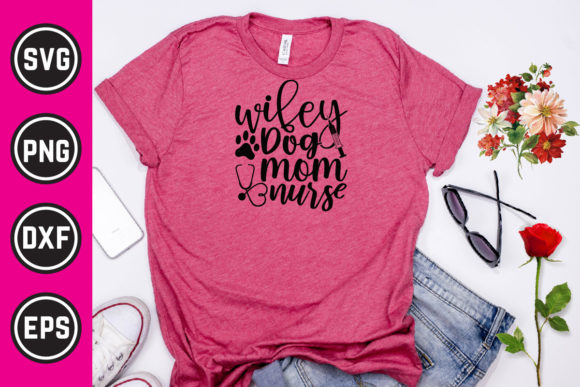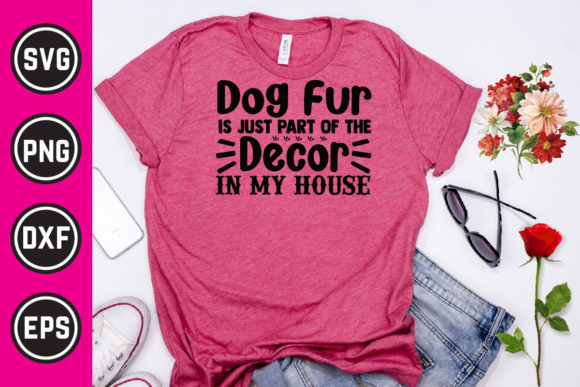
Dog SVG T Shirt Design 44
First Impressions: A Friendly, Flexible Canine Silhouette
Opening Dog Svg T Shirt Design 44 for the first time, I felt an immediate sense of balance—clean lines, confident negative space, and a relaxed, approachable dog profile that leans more toward charm than cartoonish exaggeration. It’s not overly detailed, but it’s not minimal to the point of ambiguity either. The shape reads clearly at small sizes (think 3–4 inches wide), and the contour flows naturally with fabric drape—especially important when planning embroidered tote bags or baby onesies where softness matters as much as clarity. As a designer who regularly sources digital embroidery files for client projects, I appreciate how this design avoids visual clutter while still carrying personality. It feels like something you’d confidently stitch on a boutique apron or a holiday kitchen towel—not too trendy, not too timeless, just right for makers who value consistency over flash.
Where It Shines: Real Projects, Real Fabric
I tested Dog Svg T Shirt Design 44 across three real-use scenarios: a medium-weight cotton tote bag, a lightweight unisex sweatshirt, and a linen-blend tea towel. On the tote, it stitched cleanly with light tear-away stabilizer—no puckering, no distortion. The curves held their shape, and the open areas between legs and tail didn’t collapse under dense fill stitch. On the sweatshirt, I used cut-away + topping for stability, and again, the design translated well—no thread nesting in tight corners, and the overall silhouette remained legible even after gentle washing. For the tea towel, I switched to a lighter fill stitch density and added a subtle running stitch outline for definition against the textured weave. In each case, Dog Svg T Shirt Design 44 behaved like a thoughtful machine embroidery design—not one that demands constant tweaking, but one that respects fabric behavior and stitch logic.
Where to Pause: Practical Limits & Smart Adjustments
This isn’t a “set-and-forget” file for every surface. On stretchy fabrics like jersey knits or curved cap fronts, I recommend digitizing a version with slightly wider satin stitch borders or adding strategic underlay—especially around the ear and snout—just to anchor those delicate points. Thin fabrics (like baby muslin or lightweight rayon) will need extra care: test stitch density first, and consider reducing fill stitch % by 10–15% to avoid stiffness or shadowing. Dark fabrics call for high-contrast thread choices—navy or charcoal thread on black fabric won’t read well unless you add a white underlay or switch to a lighter applique design variation. And if you’re planning tiny versions (under 2.5 inches), inspect the nose and eye area closely: some vector-based graphics don’t scale down without losing crispness, so always run a test on scrap before committing to a batch of personalized gifts.
Stitching Clarity Meets Customer Trust
What makes Dog Svg T Shirt Design 44 work well for craft business owners and Etsy sellers isn’t just its visual appeal—it’s how reliably it communicates quality once stitched. Customers notice clean edges, consistent stitch direction, and balanced density. When used on nursery decor or baby embroidery, that confidence translates directly into perceived value and trust. A messy or overly dense version would look handmade in the wrong way—clumsy instead of charming. But executed thoughtfully, this design supports brand consistency across product lines: same dog motif on a pillow cover, matching tea towel set, and embroidered patch for a kids’ backpack—all recognizable, all cohesive. That kind of continuity is gold for small shop owners building a handmade product story.
Design Assets That Support Your Workflow
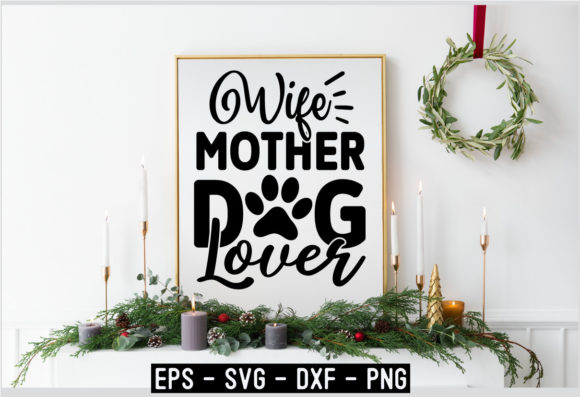
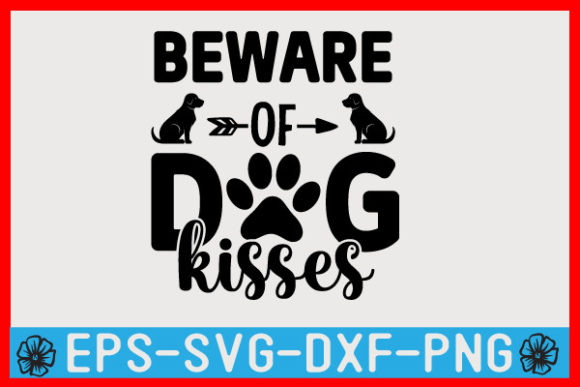
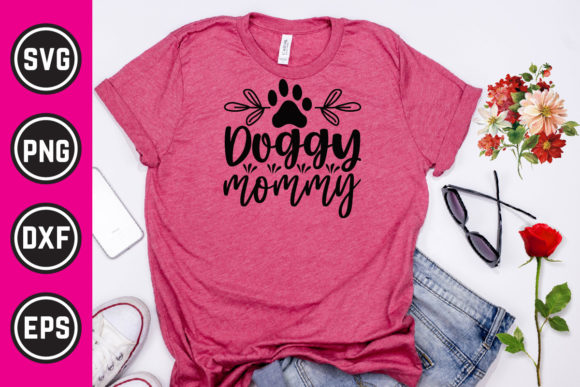
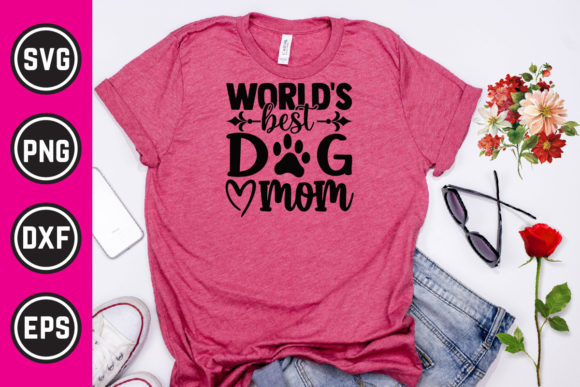
As a reviewer who evaluates dozens of digital embroidery files each month, I pay close attention to how easily a file integrates into real workflow—not just software compatibility, but practical flexibility. Dog Svg T Shirt Design 44 delivers four files, which suggests thoughtful format variety (likely SVG, DXF, PNG, and maybe EPS or PDF)—ideal for both cutting machines like Cricut Design Space and Silhouette Studio, and embroidery digitizing prep. That versatility means you can use it as-is for heat-transfer vinyl projects, convert it for machine embroidery digitizing, or adapt it into an applique design with custom fabric layers. For printable mockups or digital product previews, the clean vector lines hold up beautifully—even in grayscale or low-res thumbnails. Just remember: always confirm licensing before using it commercially, especially if you plan to sell finished products or resell the design assets.
Before You Stitch: Five Designer Notes You’ll Thank Yourself For
- Test on scrap fabric first—especially if stitching on textured or stretchy material.
- Check thread color contrast against your base fabric using physical swatches, not just screen previews.
- Review stitch density—a moderate fill works best for most apparel; reduce for delicate items, increase only if needed for opacity on darks.
- Confirm hoop size and placement—this design fits comfortably in a 4×4 hoop, but verify alignment before hooping your final piece.
- Inspect small details in black-and-white mockups—it reveals visibility issues faster than color previews ever will.
Final Thought: A Quietly Confident Craft Tool
Dog Svg T Shirt Design 44 doesn’t shout. It doesn’t need to. It’s the kind of design that strengthens your craft business quietly—by delivering consistent results, supporting repeatable workflows, and fitting naturally into real-life embroidery projects: from holiday embroidery for local boutiques to personalized gifts for new pet parents. It belongs in the toolkit of anyone who values clarity over complexity, reliability over novelty, and craftsmanship over convenience. Whether you’re an experienced embroidery designer sourcing graphics for client work or a hobbyist launching your first Etsy shop, this is a digital embroidery file that earns its place—not because it’s flashy, but because it works, thoughtfully, every time.