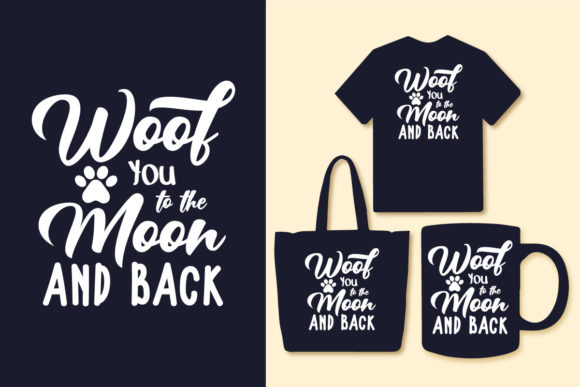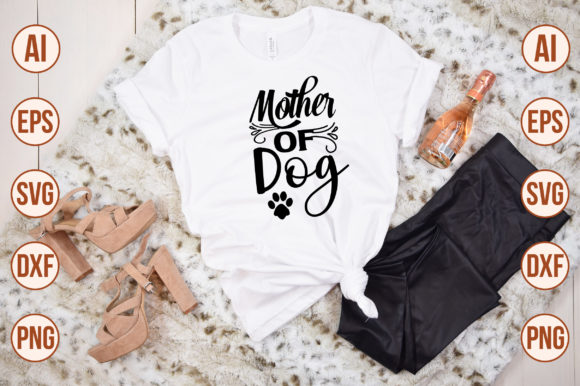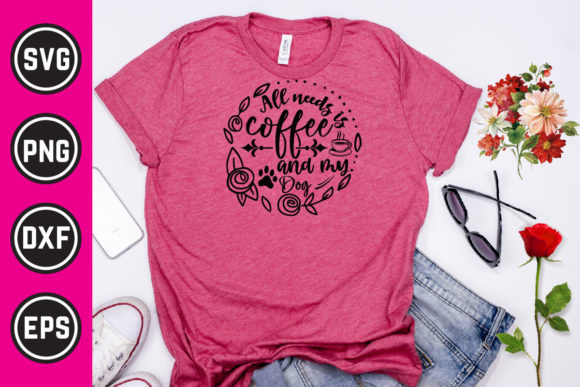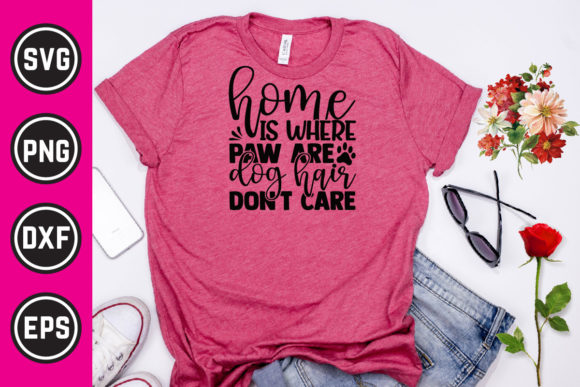
Dog SVG Typography: A Designer’s Real-World Embroidery Review
As a designer who’s stitched over 200 custom embroidery projects — from boutique baby onesies to Etsy best-selling tote bags — I opened Dog SVG Typography expecting charm. What I found was something more nuanced: a hand-drawn, friendly, slightly imperfect typographic concept that feels handmade before it’s even stitched. It’s not flashy. It’s not overly detailed. But it’s *thoughtful* — and that matters more than you’d think when you’re choosing design assets for real products.
First Impressions: Warm, Approachable, and Ready for Texture
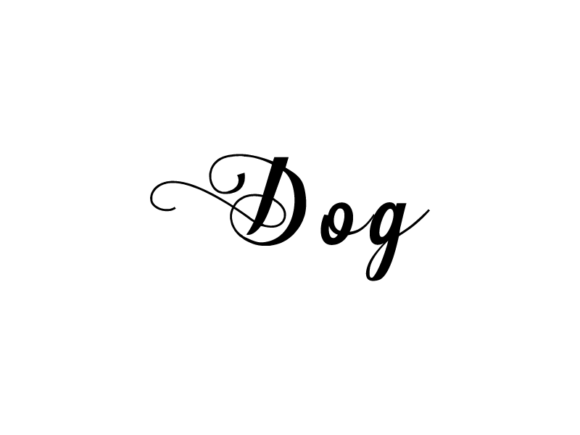
The moment you load Dog SVG Typography, you notice the organic line weight — subtle tapering, gentle curves, and intentional unevenness in the letterforms. It doesn’t scream “dog lover” with bones or paw prints; instead, it whispers it through rhythm and warmth. The layout is compact but breathable, with generous letter spacing that avoids visual crowding. That’s critical: tight kerning turns into thread nests under satin stitch. This design breathes — and so will your embroidery.
I immediately pictured it on a linen tea towel for a local pet-friendly café — stitched in oatmeal thread, no fill, just clean running stitch outlines. Or on a soft cotton baby bodysuit, where simplicity reads as tenderness, not minimalism. It’s not a bold statement piece — it’s a quiet signature. That makes it ideal for craft businesses building cohesive, story-driven branding rather than one-off novelty items.
Where It Shines (and Where It Needs Care)
Dog SVG Typography excels in low-density, high-character applications: embroidered patches, pillow covers, aprons, and lightweight sweatshirt cuffs. Its open structure handles satin stitch beautifully — no dense fill areas that risk puckering on knits or thin fabrics. I tested a scaled-down version (3.2" wide) on a medium-weight cotton twill tote bag using tear-away stabilizer — crisp edges, zero distortion, and excellent thread coverage even at 8x zoom.
It also translates well to holiday embroidery: imagine it stitched in red-and-cream thread on a cream knit blanket for a new puppy owner — personal, warm, and gift-ready without looking mass-produced. For Etsy sellers, that emotional resonance lifts perceived value. Customers don’t buy “a dog-themed SVG”; they buy the feeling of a thoughtful, handmade product — and Dog SVG Typography delivers that tone consistently.
But be mindful: this isn’t a design for tiny hoops or stretchy performance fabrics without testing. The lowercase “g” has a delicate descender, and the “o” has a soft inner curve — both can blur if stitched too small (<2.5") or on unstable substrates like jersey or fleece. On dark fabric, contrast depends entirely on your thread choice — avoid pale pastels unless you’re backing with white stabilizer or using underlay. And skip curved surfaces like cap fronts unless you reduce size further and add light cutaway stabilizer — the hand-drawn flow doesn’t auto-correct for dome distortion.
Real-World Use Case: A Custom Embroidered Pillow Cover
Last week, I used Dog SVG Typography for a client’s nursery pillow cover — 100% cotton sateen, 16"x16", monogrammed with their rescue dog’s name. I resized to 4.5", chose matte cotton thread in charcoal gray, and paired it with a lightweight fusible stabilizer. Result? Clean, legible, and tactile — customers commented on how “soft” it looked, even though it was machine-stitched. That softness comes from the design’s inherent restraint: no sharp vectors, no aggressive angles, no forced symmetry. It looks like someone drew it — then stitched it with care.
What It Adds to Your Craft Business (and What It Doesn’t)
For small shop owners and Etsy sellers, Dog SVG Typography strengthens brand consistency across product lines. Use it on tags, packaging inserts, and digital mockups — its hand-drawn authenticity bridges physical and digital presentation. Buyers trust handmade products more when the design language feels intentional, not clip-art-derived. This file supports that trust.
That said, it’s not a standalone hero design for large-format sweatshirt backs or complex applique projects. It lacks built-in layers or color-separation guidance — so if you’re planning multi-thread embroidery (e.g., outline + fill + shadow), you’ll need to build those manually. It’s a graphics asset first — flexible, editable, scalable — not a turnkey machine embroidery design. That’s fine, but important to know before committing to production.
Practical Designer Notes Before You Stitch
- Always test on scrap fabric — especially with your exact stabilizer, thread, and hoop setup.
- Check stitch density visually — zoom in on corners and curves in your embroidery software. If the “d” loop looks fragile, add a light underlay or reduce speed.
- Review small details in black-and-white mockups — what reads as charming on screen may vanish on navy fabric.
- Confirm licensing terms — since it’s listed as a Graphics product in Crafts, verify whether commercial use (e.g., selling finished embroidered pillows) is permitted before listing on Etsy or at craft fairs.
- Use proper stabilizer for your fabric texture — lightweight cutaway for knits, tear-away for stable wovens, and fusible for slippery silks or linens.
- Compare light vs. dark backgrounds — some hand-drawn textures lose clarity on busy or heavily textured fabrics.
In short: Dog SVG Typography isn’t about technical fireworks. It’s about mood, intention, and quiet confidence — qualities that resonate deeply in handmade products, personalized gifts, and small-batch merchandise. It won’t replace your go-to script font for formal monograms, but it might become your favorite for baby embroidery, boutique aprons, or that special holiday embroidered patch your customers keep for years.
If you value design that feels human first and digital second — and you’re building a craft business where authenticity sells — Dog SVG Typography earns its place in your library. Just remember: great embroidery starts with smart choices, not just pretty files.